

MARKET INSIGHT
RPA May Market Update: Lens on Liverpool & London
April 24, 2026 • Author: Richard Bradstock


Share On:
After a somewhat tumultuous start to 2026, we’re finally seeing signs of life in the UK new build and residential investment sector. Whilst regional markets have benefitted from the slump in housing delivery in London and the South East (capital pouring into Manchester and Birmingham) we’re now seeing attention turning to London and another nascent market, Liverpool. For this month’s market update, we’ll be talking about the Liverpool and London property markets specifically, two markets that currently offer investors an opportunity to invest at the beginning of what will prove to be a fast-moving cycle.
Liverpool is having a moment
In terms of house prices over the last year, Liverpool has the highest growth rate of any major UK city, registering somewhere between a 6.5% to 8.1% growth, depending on whose stats you sign up to.
Right now, Liverpool’s investment case is primarily about value and yield. Average property prices remain significantly lower than Manchester. Whereas most entry level investments in Manchester start from £250k+ in Liverpool, you get the same new build quality apartment for £75k less, with prices in the city centre from £174k upwards. Crucially, this also puts Liverpool in a lower band of SDLT.
Gross yields of 7% are genuinely achievable in Liverpool, compared to Manchester where yields have compressed to 5% because of the sharp rise in prices over the last decade. Like Manchester a decade ago, Liverpool is finding itself at the beginning of its moment in the sun. As any private investor will know, when institutional money begins to pour in, you’ve probably lost the competitive edge, and if you didn’t buy before, then you’re buying at a premium now. We’re seeing this play out in Manchester where a lot of the capital growth has already been priced in to institutionally owned apartments.
But it’s important to note that Liverpool’s property market does not exist in a vacuum, there are key drivers spurring it to international attention and thus insulating it from speculation. Two huge factors; universities and regeneration are applying a pincer movement to the growth of its rental market.


Liverpool’s universities driving growth
Universities are one of the most powerful and reliable drivers of regional housing markets in the UK. A successful university creates a permanent, self-renewing population of students, academics and professional staff who need housing every single year regardless of economic cycles. Unlike a single employer who can relocate or downsize, a well-established university is essentially immovable and its demand is predictable decades out.
Liverpool is a great case study. The University of Liverpool and Liverpool John Moores together enrol around 60,000 students. That creates enormous demand for purpose-built student accommodation, HMOs and increasingly high-quality studio and one-bed stock as students return post-graduation and want to stay in the city. Graduate retention is the key metric - cities that retain graduates convert student demand into long-term professional rental demand.
What makes a university successful for housing purposes?
Not all universities drive markets equally. The ones that move housing markets most are those with:
High graduate retention rates

Strong research and commercial spin-out activity bringing jobs
International student intake bringing higher spending power
Medical and law schools which retain graduates in high-earning local professions
Liverpool’s universities tick all of these boxes. Nearly half of the city’s graduates stay in the city, the Knowledge Quarter regeneration is evidence of its international clout in research and industry (see Paddington Village regen) and its medical and law schools are regarded amongst the UK’s best.

Liverpool’s regeneration catalysts
Savvy investors talk about the ‘regeneration curve’ where prices move in anticipation of change and not just in response to it. As we know, the biggest gains go to those who buy during the planning and announcement phase, before the diggers roll in. We’re currently selling two developments in Liverpool, at the centre of Liverpool’s most compelling investment locations right now, at this stage. Studies have shown regeneration schemes can deliver price uplifts of anywhere from 15% to over 50% in the immediate catchment area. We’ve witnessed this in Manchester city centre over the last decade.
What Drives the Uplift?
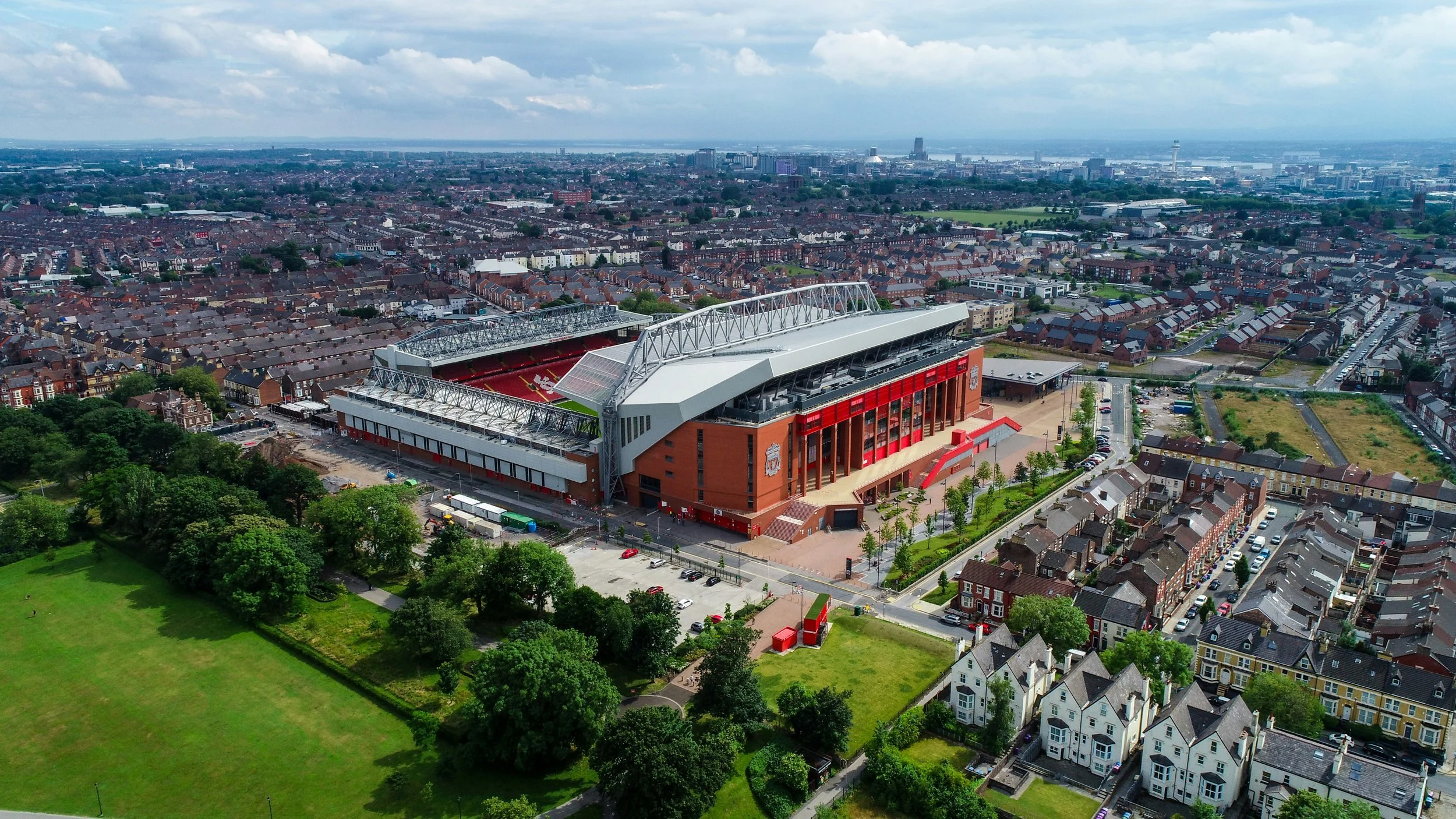
A central component of the Liverpool Waters area, the 52,000+ seat Hill Dickinson stadium, acted as a major catalyst for the Northern Docks regeneration, bringing substantial economic impact.
Retail and hospitality
Anchor tenants
Public realm improvements
Transport links
the knowledge quarter
pumpfields regeneration
Quality restaurants and independents are already springing up in the areas of regen especially in those already established commercial districts where residential towers are being introduced.
A major employer, university campus or cultural institution moving in signals permanence; exactly what the Knowledge Quarter will do.
Better streets, parks and lighting change perception rapidly.
The biggest single factor. Liverpool’s introduction of Tap & Go transit systems and new station plans will overhaul its public transport provision.
This is arguably Liverpool's strongest long-term investment narrative. The Knowledge Quarter is a £2bn+ masterplan anchored by the University of Liverpool, Liverpool John Moores, the Royal Liverpool University Hospital, Liverpool School of Tropical Medicine, and a growing cluster of biomedical and tech businesses. What makes it particularly compelling is that the demand drivers are institutional and permanent; hospitals and universities don’t relocate. The area is attracting significant life sciences investment and the new Royal Liverpool Hospital has acted as a major catalyst for surrounding development.
Property prices in and around the Knowledge Quarter have already moved but there’s still meaningful upside as the commercial and residential ecosystem matures around it. Rental demand is exceptionally strong given the concentration of medical staff, researchers and academics who want to live close to work.
Pumpfields sits just north of the city centre and is at an earlier stage of the regeneration curve, which is precisely what makes it interesting from an investment timing perspective. It’s one of the last significant underdeveloped areas within walking distance of the city centre and waterfront.
Property prices in and around the Knowledge Quarter have already moved but there’s still meaningful upside as the commercial and residential ecosystem matures around it. Rental demand is exceptionally strong given the concentration of medical staff, researchers and academics who want to live close to work.
Do visit our website to see our current Liverpool investments for sale, starting from £199k.

Looking at London
Heading south and to the other end of the UK’s price spectrum, we’re presently fielding lots of calls from clients wanting to talk to us about London. The Greater London Authority seems to have finally realised it has alienated nearly all of the capital’s housebuilders and has issued a number of measures to get folks building again. MLGA eat your heart out. We joke, but the supply situation is dire: The number of new build homes being churned out in London is officially at its lowest since World War II. Little over 6,000 new homes were built between March 2025-March 2026. The government estimate London needs 88,000 new homes a year. The capital is not even filling 7% of its new homes need.
The absence of starts in 2024-2025 will crunch in 2027-2028 when the pipeline gap will become most visible to renters. We’re looking at 2028 to be a peak pressure point for London rents where private buy-to-let landlords can reap the reward, driven not just by the lack of starts in the construction market but by other seemingly relentless pressures on the rental market too including:
The continued exit of buy-to-let landlords from the market, due to tax changes, removing further stock from the private sector

Increased mortgage costs still making homeownership out of reach for many
London’s population and employment base continues to grow
What does this mean? Well, that London is showing STRONG signs of being in the early-to-mid recovery phase of a new cycle.
The Case For Buying Now
For overseas investors unable to physically inspect properties, new-build assets offer critical structure and financial protections. The industry standard is the NHBC Buildmark, a comprehensive 10-year warranty and insurance cover for new-build homes. Structured in distinct phases to protect the buyer’s capital it provides deposit protection if the builder becomes insolvent, a two-year building warranty where the developer is strictly liable to rectify any defects that breach NHBC standards and an eight-year insurance period covering damage to the home resulting from the builder’s failure to construct specific parts of the property to NHBC standards.
1
You're buying off the correction lows
Valuations are more attractive than they were at the 2022 peak. We’re seeing deals inked in PCL with prices up to 30% less and clients with existing rental stock seeing yields of 6% - unheard of in London!
2
Rate trajectory is downward
2
Supply remains structurally constrained
BTR starts are down – a 37% fall in construction starts in 2025 and planning remains difficult, meaning new supply won't meaningfully offset demand.
Share On:

RPA’s top 10 reasons to invest in Berlin
1
You're buying off the correction lows
Valuations are more attractive than they were at the 2022 peak. We’re seeing deals inked in PCL with prices up to 30% less and clients with existing rental stock seeing yields of 6% - unheard of in London!
2
Rate trajectory is downward
Each cut improves affordability and brings more buyers into the market, supporting prices
Get expert guidance on buying international property
FEATURED PROPERTY
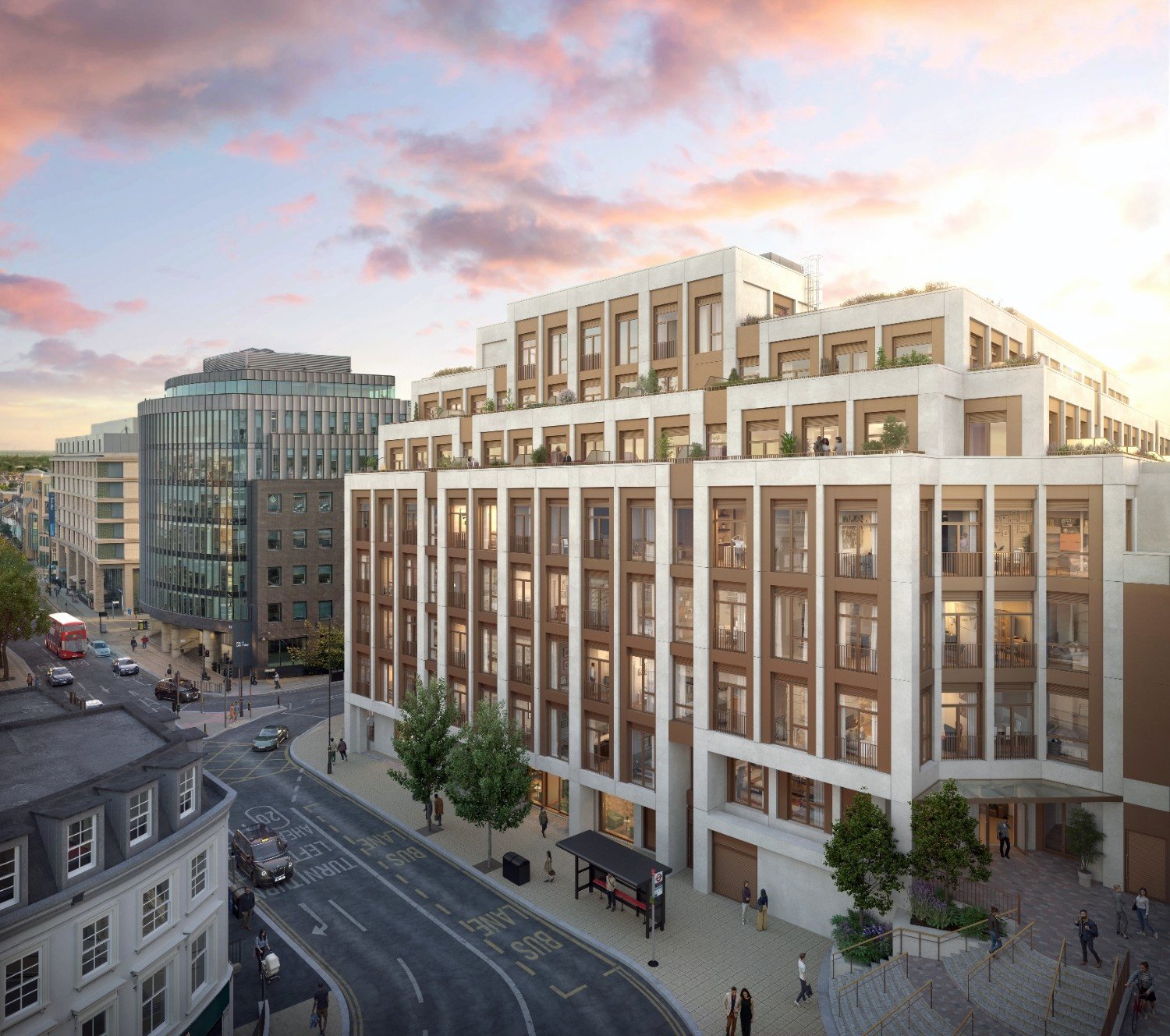
wimbledon bridge house


From £487,500
10% Downpayment
About the author

RPA’s founder, Richard has worked in residential development investment for 20 years and oversees the general running of the business ensuring the RPA Group retains true to its founding principles. Over his career Richard has built an incredible network of international property investors and like-minded industry professionals.
Founder & Managing Director
richard bradstock
READ OUR PREVIOUS BLOG POST


Trusted by Our Clients
Discover why our clients love working with us and how our expert guidance helps them navigate the UK property investment market with confidence.

