

MARKET INSIGHT
Looking at Liverpool: The buy-to-let investment delivering a 3% higher yield than the national average
April 22, 2026 • Author: Richard Bradstock

Share On:
Liverpool, the city of music. Birthplace of the Beatles. And this mix of energy, optimism and renewal still runs through the city today. From the Waterfront to the Knowledge Quarter, it’s the city’s property market that is now hitting the high notes with certain postcodes and neighbourhoods offering exceptional gross yields over 9% – making the city a chart topper in the UK investment scene.

The Liverpool Landscape
Generally, a UK rental yield between 5-6% is considered ‘good’. Anything exceeding 6% would be classified as ‘very good’. Currently, according to Zoopla, the national average yield currently hovers around 6%, so we might say, the UK is ‘good’. Against this national backdrop, however, Liverpool is outstanding: L7, the highest yielding postcode in Liverpool is currently delivering a gross rental yield of 9.79%. The city centre, L1 at 9.33%. The city famed for its heart, is now a highly lucrative opportunity for overseas investors in 2026.
Why are rental yields so high in Liverpool?


University cities consistently offer the highest returns on buy-to-let investments and with its three universities, Liverpool is at the top of this list. The combination of a transient student population, young professionals and relatively accessible property entry prices creates the ideal environment for high-yielding buy-to-let assets. And now, nearly half of Liverpool’s graduates stay in the city after graduation, contributing to its rapidly rising professional class, a key driver of the property market.
In the last year alone, the city’s rents have risen by 7%, well-documented by local agents (Northwood). But, the city has yet to see the property price rises that have accompanied Manchester’s growth in rents, meaning for investors, entry level prices remain incredibly competitive, which in turns increases yield.
Current average house prices in Liverpool stand between £174-£224k (ONS). In contrast, average house prices in Manchester in January 2026 are £250k upwards, putting them in the third tier for SDLT, whereas Liverpool, largely, remains in the lower tier capped at £250k and under. This is clearly an attractive marginal gain for investors, which has a hugely positive impact on cash flow not just for the purchase – but for the life of the investment.
House price growth in Liverpool
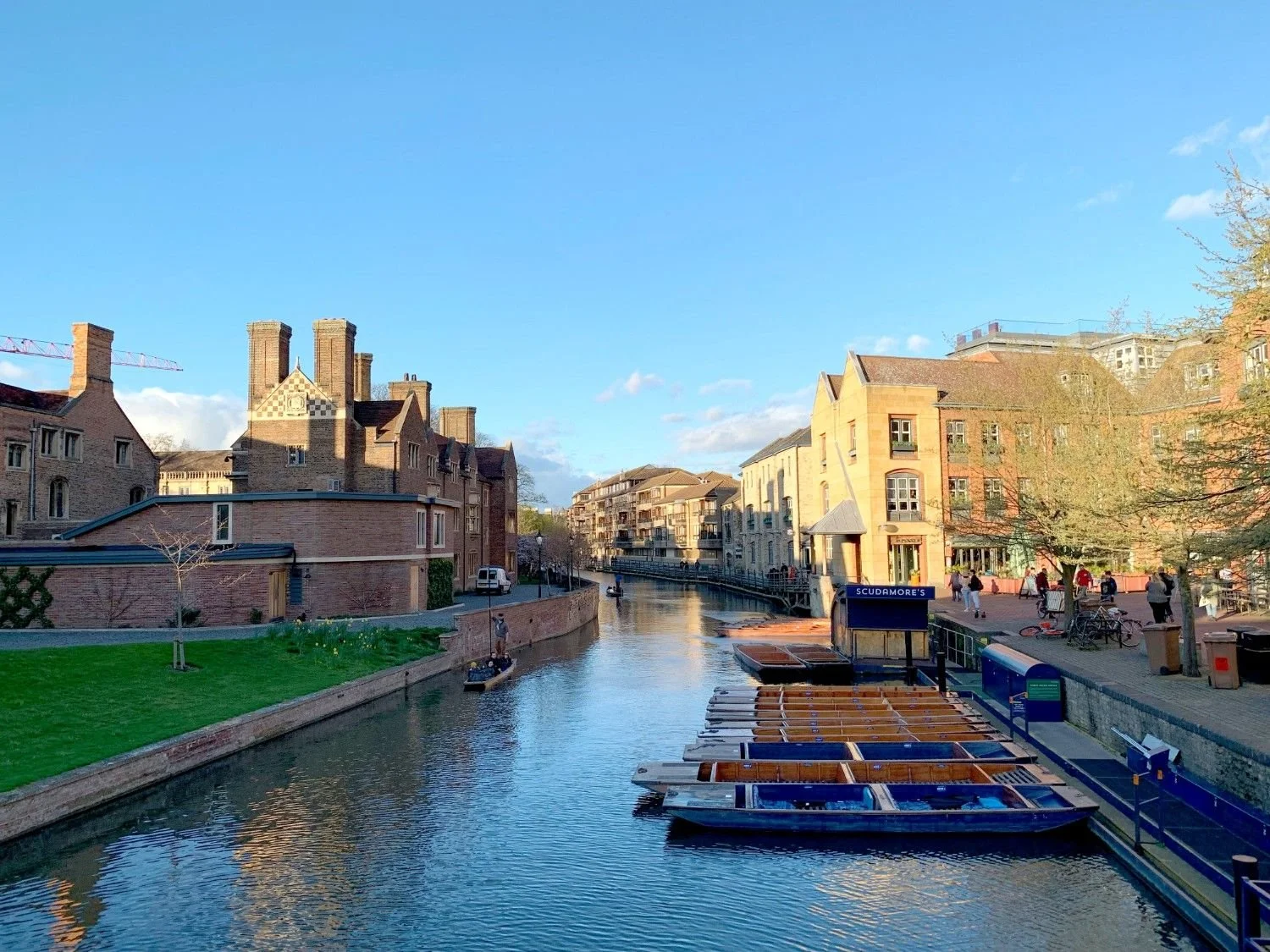
Presently, Liverpool is showing one of the strongest house price increases across the UK, certainly the North, with a 6.5% year-on-year increase to January 2026 (ONS). Some estimates are placing the annual increase at 8.1%, making it one of the top performing cities in the UK for annual growth.
New projects in Liverpool are definitely shaping these returns, a city currently embarking on large-scale infrastructure improvements and regeneration. The Knowledge Quarter is a flagship initiative, currently undergoing its £1bn phase two expansion, focusing on life sciences, health and innovation (Liverpool’s universities have always been leaders in medicine and life sciences). Outside of the Knowledge Quarter, the list of other regeneration projects is huge.

Current Regeneration projects in Liverpool
Liverpool Waters (£5.5 Billion)
A 30-year project transforming 60 hectares of historic northern docks into five distinct neighbourhoods, including Princes Dock, Central Docks, and Clarence Dock. It includes the construction of over 9,000 apartments, commercial space, and a new 2-hectare Central Park, with major infrastructure work ongoing at Central Docks scheduled for completion in 2028. In March this year, plans were submitted to build Liverpool's tallest tower there.
Everton FC Stadium at Bramley-Moore Dock (£760 Million)
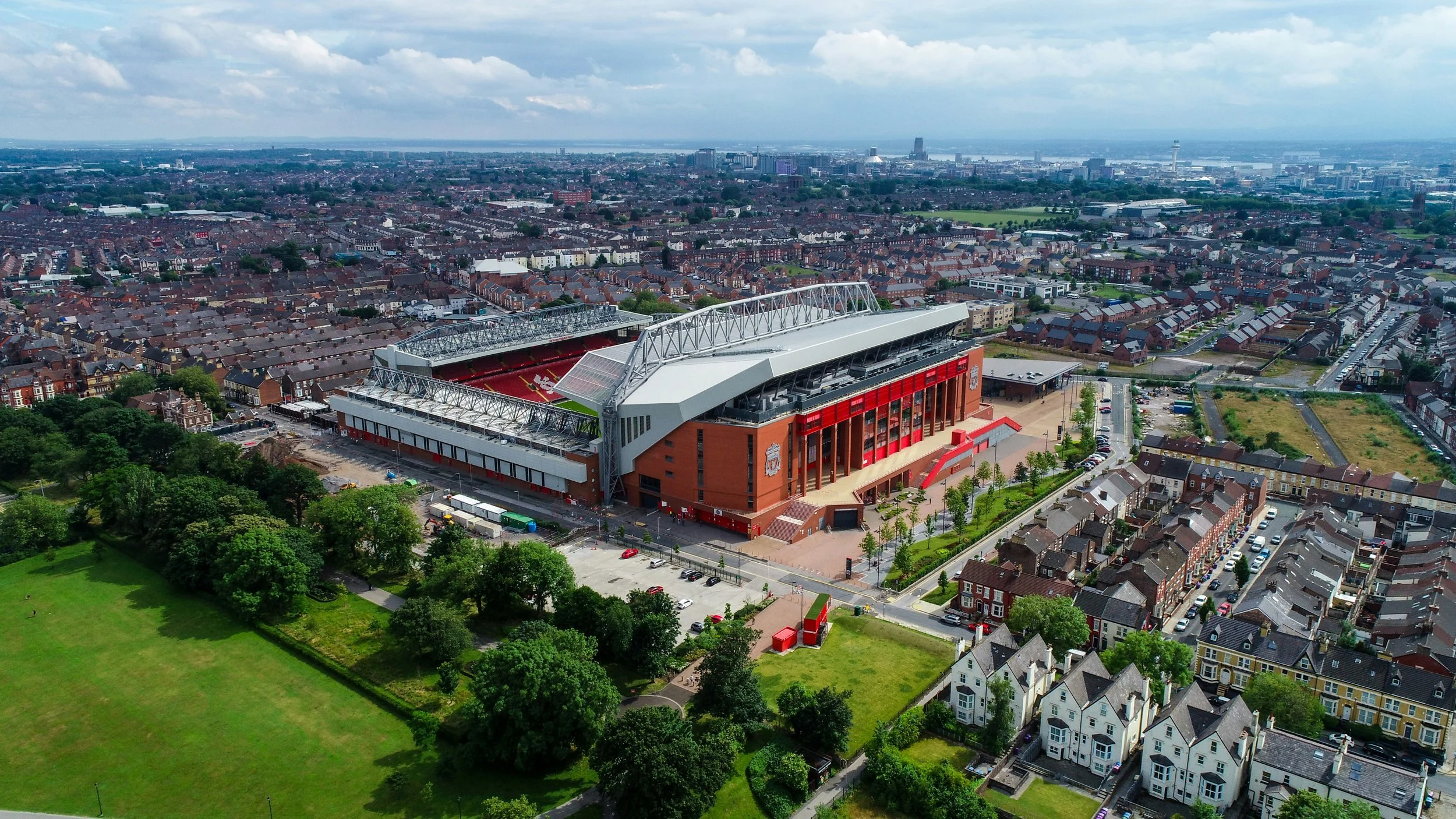
A central component of the Liverpool Waters area, the 52,000+ seat Hill Dickinson stadium, acted as a major catalyst for the Northern Docks regeneration, bringing substantial economic impact.
King Edward Triangle/Kings (£1 Billion)
Rebranded as 'Kings', this area within Liverpool Waters is seeing massive development as a new high-density, mixed-use neighbourhood. It is set to feature a cluster of high-rise buildings, including nearly 3,000 new homes and several hotels, situated between the central business district and the northern docks.
Paddington Village (£1 Billion)
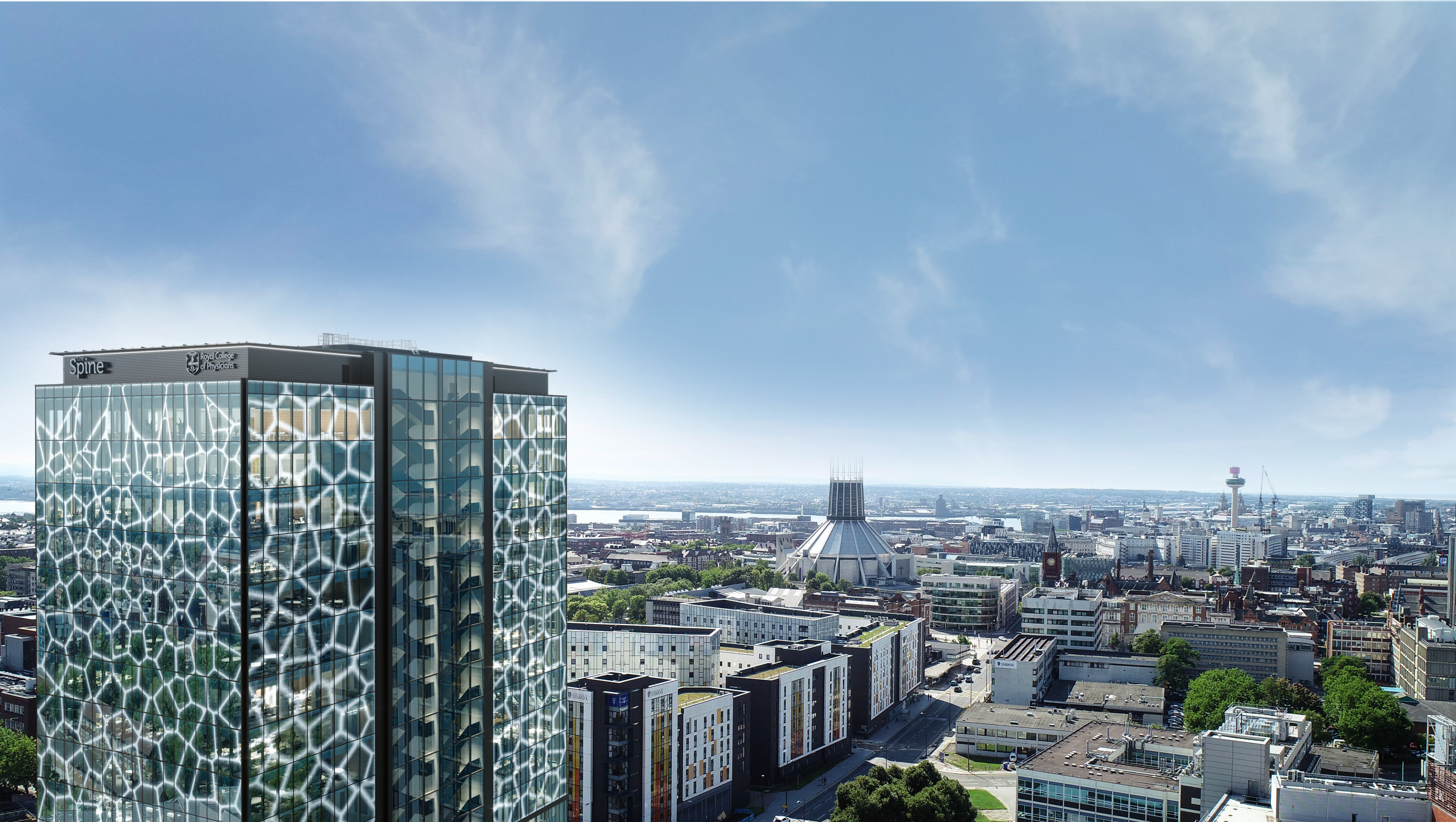
Part of the Knowledge Quarter, this 30-acre expansion is a key innovation district focused on health, science, and education. It includes "The Spine," a high-tech office building, and is designed to create thousands of jobs.
Littlewoods Film & Television Studios (£70 Million)
Located on Edge Lane, this project involves transforming the Grade II-listed former Littlewoods building into a state-of-the-art film and television campus. It aims to solidify Liverpool's status as a major production hub, with completion anticipated around 2027.
Upper Central (£2 Billion)
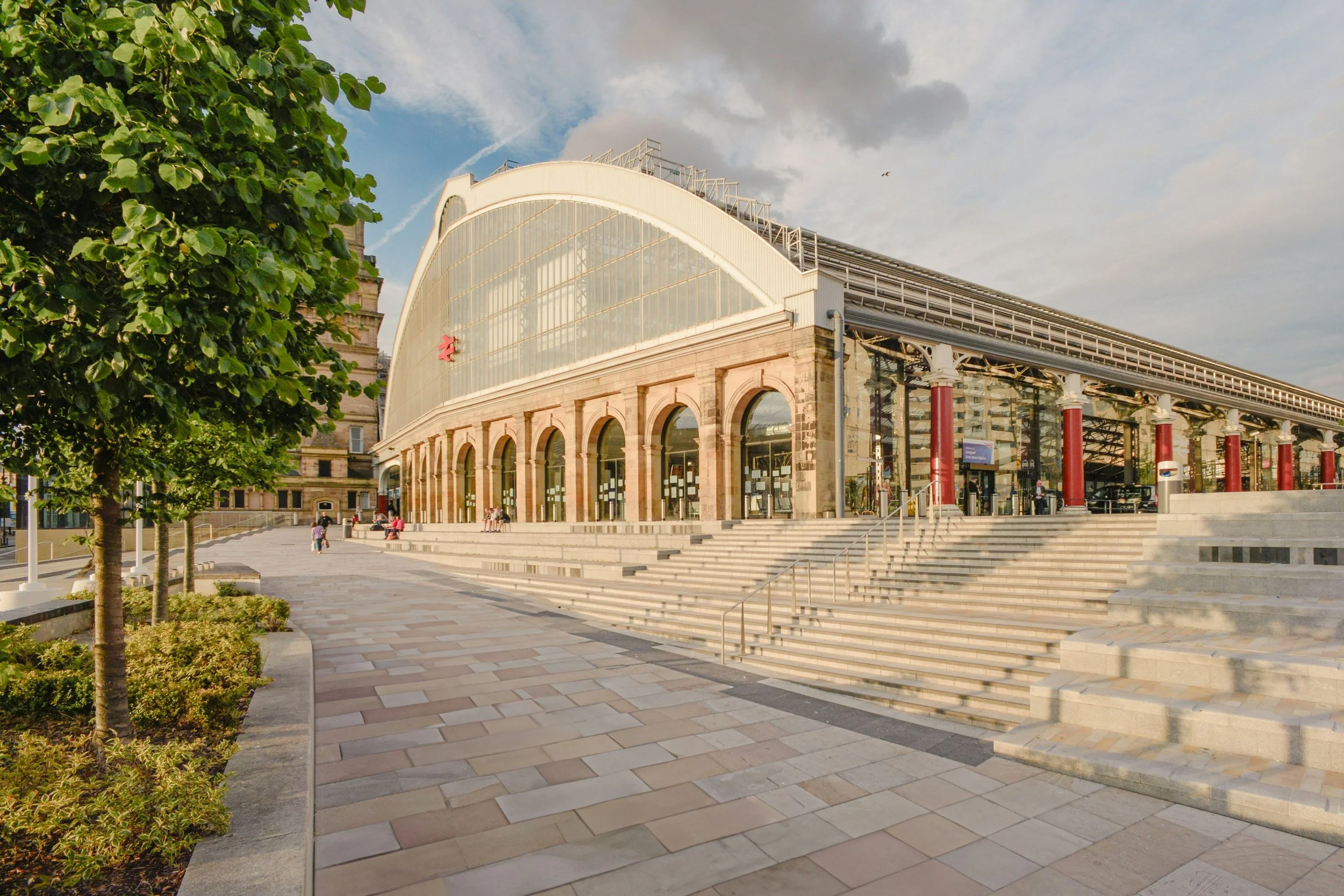
A masterplan for 56 acres of the city centre, stretching from Lime Street Station to Central Station. This project focuses on attracting digital, tech, and creative sectors, with plans to build 2.5 million sq ft of new commercial and mixed-use space.
Ten Streets
Covering 125 acres adjacent to the northern docks, this project aims to turn former industrial warehouses into a thriving creative district, building on the success of the Titanic Hotel and the Invisible Wind Factory.
Festival Gardens
The redevelopment of this former landfill site in South Liverpool is moving forward, with plans for a sustainable, mixed-tenure residential community of over 1,300 homes set in a landscaped riverside location.
Pumpfields RegenerationLittlewoods Film & Television Studios (£70 Million)
An area targeting high-density residential development (650+ homes) to link the city centre with the north docks.

Liverpool is about to witness its owns ‘Crossrail effect’
Beyond these localized developments, the broader Liverpool region is executing 11 major transformational projects in 2026. These include the implementation of ‘Tap & Go’ transit systems, the construction of new railway stations and the introduction of the first Mersey Ferry in over 60 years. All enhancing the desirability of emerging neighbourhoods and potentially unlocking new high-yield postcodes, in the same way Crossrail (now the Elizabeth Line) transformed residential prices in London’s outer zones.
Liverpool for overseas investors
For overseas investors unable to physically inspect properties, new-build assets offer critical structure and financial protections. The industry standard is the NHBC Buildmark, a comprehensive 10-year warranty and insurance cover for new-build homes. Structured in distinct phases to protect the buyer’s capital it provides deposit protection if the builder becomes insolvent, a two-year building warranty where the developer is strictly liable to rectify any defects that breach NHBC standards and an eight-year insurance period covering damage to the home resulting from the builder’s failure to construct specific parts of the property to NHBC standards.
A checklist for investors looking at Liverpool
Target high-yielding postcodes: L1, L3 & L7.

Leverage The Knowledge Quarter effect, by looking at districts surrounding or within a short commute of the KQ to capture high-quality tenant demand from the life sciences and health sectors.
Secure NRLS Exemption early to avoid unnecessary taxes. Apply to HMRC for the Non-Resident Landlords Scheme exemption well before the property completion to ensure letting agents do not withhold 20% of your rental income.
Verify NHBC coverage to protect your investment.
Get expert guidance on buying international property
FEATURED PROPERTY

wimbledon bridge house


From £487,500
10% Downpayment
About the author

RPA’s founder, Richard has worked in residential development investment for 20 years and oversees the general running of the business ensuring the RPA Group retains true to its founding principles. Over his career Richard has built an incredible network of international property investors and like-minded industry professionals.
Founder & Managing Director
richard bradstock
READ OUR PREVIOUS BLOG POST


Trusted by Our Clients
Discover why our clients love working with us and how our expert guidance helps them navigate the UK property investment market with confidence.

